-
by Site Manager
- August 28, 2026
- 0 Comments
Before They Buy, They Search: Will Hoke County Customers Find Your Business?
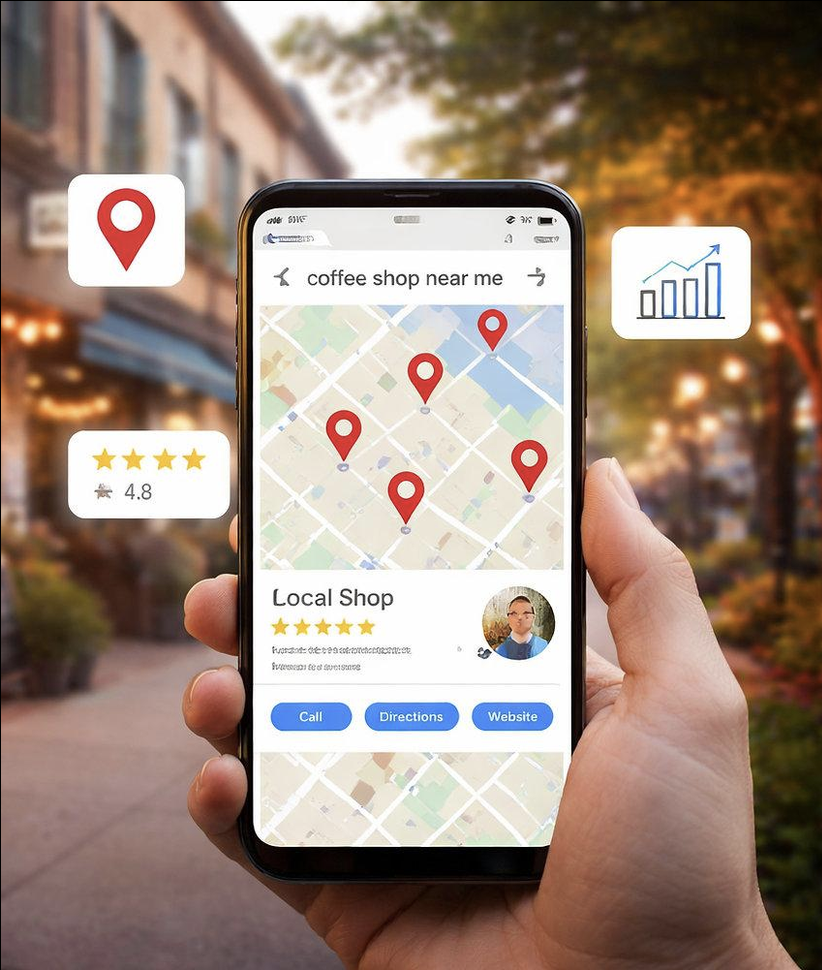
Long before many customers walk through the door of a business, make a telephone call, request an estimate, schedule an appointment or purchase a product, they have already begun making decisions about which companies deserve their attention, and increasingly that decision-making process begins with an online search. A homeowner looking for a contractor, a family deciding where to eat, a newcomer searching for an insurance professional or a resident looking for automotive services can begin the process within seconds by reaching for a smartphone, tablet or computer. For businesses throughout Hoke County, this shift in consumer behavior creates an important question that every owner should consider: When local customers search for the products or services you provide, will they find your business or discover one of your competitors first?
 The modern customer journey frequently begins with a need rather than the name of a particular company, which means businesses must be discoverable before consumers have decided whom they want to contact. Someone may search for a restaurant, electrician, landscaper, real estate professional, fitness center, boutique, photographer, mechanic, healthcare provider, contractor or another service without having a particular business in mind, allowing the companies that appear during the discovery process to compete for that person’s attention. This is why online visibility for Hoke County businesses has become so important, because businesses are not simply competing after a customer contacts them but are increasingly competing for the opportunity to be considered in the first place.
After consumers begin searching, they usually enter another important stage of the customer journey in which they gather information and compare their available choices. They may look at business descriptions, photographs, services, operating information, websites, social media pages and other digital content before deciding which company appears most relevant to their needs. Even when consumers receive recommendations from friends, relatives or coworkers, many will still search for those businesses online before making contact, which means traditional word-of-mouth advertising and digital visibility now frequently work together rather than functioning as completely separate marketing strategies.
This comparison stage can create a significant advantage for businesses that provide clear and useful information online, because customers generally want to make decisions without unnecessary difficulty. If one business is easy to find, clearly explains its services and provides straightforward ways to learn more, while another company has little or outdated information available, the first business may have an advantage before either company has spoken directly with the prospective customer. A strong Hoke County digital marketing strategy should therefore focus not only on advertising a company name but also on helping consumers quickly understand what the business provides and why they should consider it.
 Trust and familiarity can also influence the customer journey, particularly when consumers are choosing between businesses that provide similar products or services. People naturally tend to feel more comfortable with names they recognize, which means repeated exposure through websites, social media, local content, community involvement and marketplaces can help businesses establish familiarity over time. A consumer might encounter a company’s name several times before needing its services, but those earlier impressions can become valuable when a purchasing decision eventually arrives because the company is no longer completely unfamiliar.
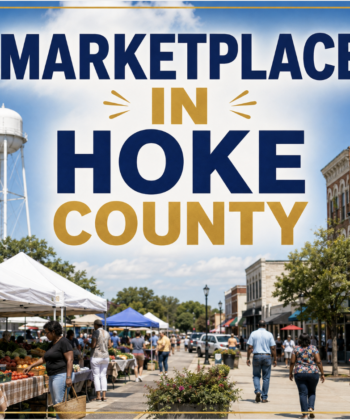
This is where a locally focused resource such as We Are Hoke Marketplace can become another valuable part of the discovery process by providing Hoke County consumers with an additional place to learn about businesses operating within their community. Instead of depending entirely on broad internet searches or social media feeds that can contain information from virtually anywhere, consumers can use a local marketplace to explore businesses, services and opportunities that are relevant to the area where they live and spend their money. For participating businesses, this creates another digital pathway through which potential customers can encounter their company while researching local options.
The value of local discovery becomes especially important when consumers are actively trying to keep their purchasing decisions close to home, because many residents would prefer to support a nearby company when they know that a suitable option exists. The challenge is that consumers cannot support businesses they do not know about, which makes visibility one of the foundations of successful shop local Hoke County efforts. A business may provide exactly what a resident needs, but if the resident cannot easily discover that company during an online search, the opportunity may move to another business outside the immediate community.
New residents can make online discovery even more important because people who recently moved into Hoke County may not yet know which businesses have established strong reputations within the community. They may need restaurants, contractors, automotive services, real estate assistance, childcare, professional services, shopping, fitness facilities and many other resources, yet they cannot rely on years of local knowledge when making those decisions. Online searches and community marketplaces can become important tools for these consumers, giving visible businesses opportunities to introduce themselves to customers who may otherwise have no reason to know they exist.
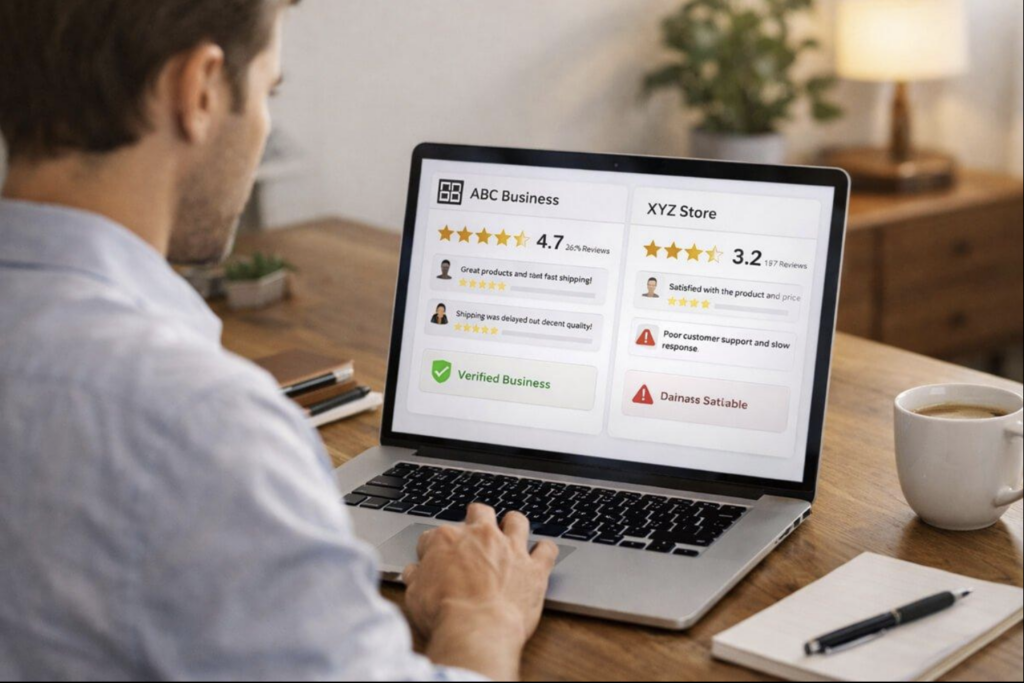 Once a consumer moves from searching and comparing to contacting a business, the digital experience continues to matter because convenience can influence whether interest becomes action. Customers who can quickly find a telephone number, website, business description or other useful information have fewer barriers between discovery and contact, while confusing or incomplete information can interrupt the customer journey. Businesses should therefore think of digital visibility as more than simply appearing online, because the goal is to make the path from searching to discovering to contacting to purchasing as straightforward as possible.
For small businesses, this process is particularly significant because every customer relationship can potentially produce more than a single transaction. A satisfied customer may return, recommend the company to friends, share information with family members or mention the business through social media, allowing one successful discovery to create additional opportunities. The customer journey can therefore continue beyond the initial purchase, transforming a first-time buyer into a repeat customer and potentially into someone who introduces additional consumers to the business.
The danger of weak digital visibility is that lost opportunities are often invisible to the business owner, because companies rarely know how many people searched for their services but never found them. A contractor does not receive a notification explaining that a homeowner searched online and contacted another company, while a restaurant may never know that a family selected another establishment because its information was easier to locate. These missed opportunities demonstrate why businesses should consider the potential cost of being difficult to find when evaluating Hoke County advertising and local digital marketing strategies.
A strong online presence does not require businesses to abandon the relationships, customer service and community involvement that have traditionally driven local success, because digital visibility can strengthen those existing advantages by making them easier for new customers to discover. A company with an excellent reputation can benefit when prospective customers can quickly confirm what it offers, while a business that participates actively in the community can use digital platforms to introduce that involvement to a broader local audience. Websites, social media, search engines and the We Are Hoke Marketplace can work together as different points along the same path toward customer discovery.
Businesses should also recognize that the purchasing decision is rarely determined by a single advertisement or online interaction, because consumers may encounter a company several times before taking action. Someone may first discover a business through the Marketplace, later see its social media content, visit its website and eventually contact the company when the need becomes immediate. Creating multiple opportunities for discovery increases the likelihood that a business will remain visible throughout this decision-making process rather than depending on a single moment to capture a customer’s attention.
For Hoke County businesses, the central marketing challenge is therefore becoming increasingly clear: being excellent at what you do is essential, but customers must first know that you exist before they can choose you. As more purchasing journeys begin online, businesses that make themselves easier to discover can place themselves in a stronger position to compete for local customers, while companies with limited digital visibility risk being overlooked before they ever have an opportunity to demonstrate their value.
The We Are Hoke Marketplace is designed to provide another place where that discovery can happen by connecting consumers who are searching locally with businesses that want to serve their community. When Hoke County residents need somewhere to eat, something to buy, someone to hire or a service they can trust, encouraging them to search within their own community can help create opportunities for local businesses while strengthening connections between consumers and the companies around them. Before customers call, before they visit and before they buy, many of them will search, and the businesses that make themselves visible during that critical moment give themselves the opportunity to become part of the final purchasing decision.